

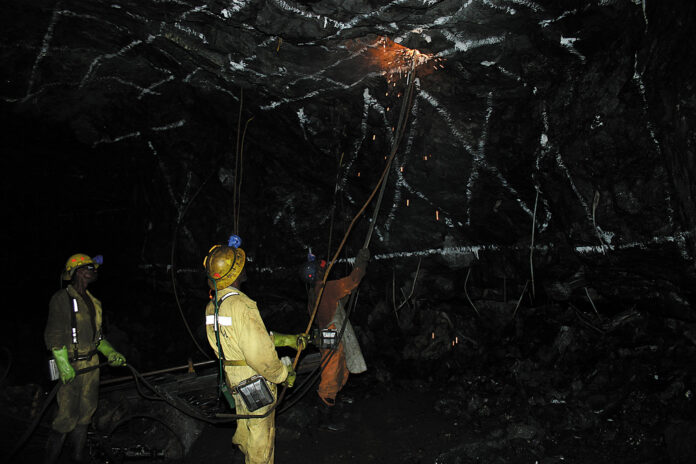
Despite its pivotal role in Botswana’s economy, the mining sector has struggled to expand its employment base beyond five percent of the workforce.
Figures shared by the central bank this week show that the sector employs only a small fraction of the country’s workforce, constituting just two percent of total employment.
However, the industry, anchored by the country’s world-renowned diamond deposits and burgeoning mineral wealth, remains a cornerstone of economic growth and government revenue. The sector contributes significantly to national income through taxes, royalties, and dividends from mining companies.
Bank of Botswana’s deputy director in the Research & Financial Stability Department, Matlhodi Serero told journalists this past week that in 2022, the mining sector accounted for about 20 percent of nominal GDP, with diamonds contributing nearly 93 percent of the total mining sector share in GDP, and approximately 90 percent of total exports of goods.
“The projection of mining potential, including with respect to more potential for enhanced mineral exploration and beneficiation through digitalisation of processes and artificial intelligence innovations, should also result in continued attraction of investment (both domestic and foreign) and integration of related products into global value chains (and the new global economy)”, Serero said.
The central bank has also stated that resource-based industrialisation should also contribute to continuous research, innovation and skills development that aligns to product and market development, adaptation and improvements in productivity.
The Ministry of Minerals and Energy is currently reviewing the Mines and Minerals Act, with proposed amendments aimed at expanding reservations for citizens in the minerals industry. The new agreement with De Beers Group will enhance Botswana’s involvement in the entire value chain. Through initiatives like the Citizen Economic Empowerment Programme (CEEP), companies such as Debswana and Morupule Coal Mine have committed to driving citizen inclusion within their supply chains, supporting local businesses, and promoting preferential procurement to create jobs and diversify the economy.

