

Botswana’s gains made in the fight against the HIV/AIDS scourge over the years are being reversed as a new pandemic wreaks havoc.
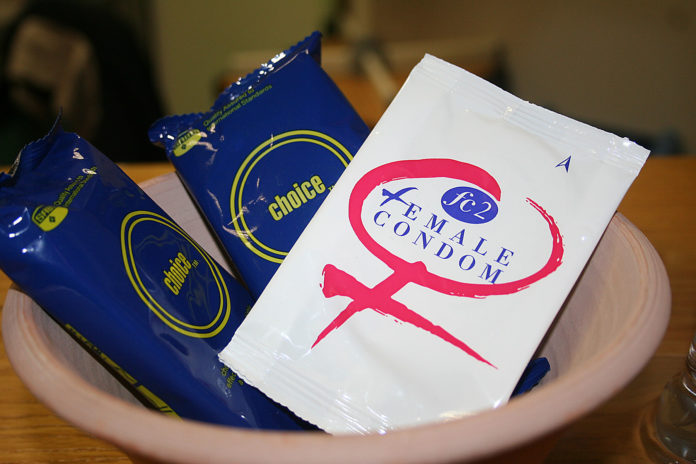
Worrisome is that the National Health Promotion Agency (NAHPA) has not only distributed one of the lowest numbers of condoms last year but has also noted that the country has missed its opportunity to meet The Joint United Nations Programme on HIV/AIDS (UNAIDS) target of reducing new Human Immunodeficiency Virus (HIV) infections by 70% from 2010.
This was said by NAHPA acting national director Dr Robert Selato before the Public Accounts Committee (PAC). Selato told the parliamentary committee that, “We have managed to distribute over 27 million pieces of condoms although the distribution has gone down because in the previous years we’ve had 41 million pieces distributed in 2019 and then 44 million in 2018.” The 27 million condoms distributed in 2020 was said to be low by Selato, and that more needs to be done in distributing the contraceptives.
“What is worth noting is that during the period of last year April and May, we had stocked out on condoms, which means that during the lockdown, chances were that sexual activities were taking place unprotected,” Selato said.
Adolescents and Youth (ADY) aged 10 to 24, account for 27% of the total population in Botswana. “In terms of HIV prevalence for ADY, they constitute about 8.37% of the national prevalence,” Selato said.
He told the PAC that 33% of the total new infections are attributable to young people, suggesting that new infections weigh heavy on young people. Especially young women who are the most affected and infected, as stated by Selato.
In the spike of new infections in young people, NAHPA has prioritised interventions for the age group. “We are proving them with comprehensive standard packages interventions,” the acting national director said.
Regarding safe male circumcision, Selato mentioned that Botswana has a total of 3171 males that have been medically circumcised.
Selato added that “this is commendable, however, we had disruptions due to Covid-19. There were little campaigns last year with regard to safe male circumcision due to mobilising resources and clinical space for Covid-19 activities.”
The Covid-19 scourge threatens effective programmes and strides made in terms of HIV epidemic control. Because of this, Selato said, “We may see a reversal of very good programmes and achievements that have been made.”
By the end of 2020, UNAIDS estimated that Botswana has a total of 374 000 people living with HIV in Botswana. Annual new infections are estimated to be at 8816 new infections. About 5000 people in Botswana succumb to acquired immunodeficiency syndrome (AIDS)-related deaths every year.
Both new infections and AIDS-related deaths are estimated to have reduced by 37% and 22%, respectively, since 2010. Selato deemed this commendable progress, largely attributable to biomedical interventions, Antiretroviral Therapy (ART) programme and behavioural change. “However, we note that the country has missed its opportunity to meet the UNAIDS target of reducing new HIV infections by 70% from 2010,” Selato said. The 37% reduction means that Botswana has missed the mark, distancing the country from reaching epidemic control.
One area Botswana is progressing in is the Prevention of mother-to-child transmission (PMTCT). Selato said that transmission rates of mother to child transmission remain very low at less than 2%. Only 2 % of children are born HIV positive in Botswana.

