

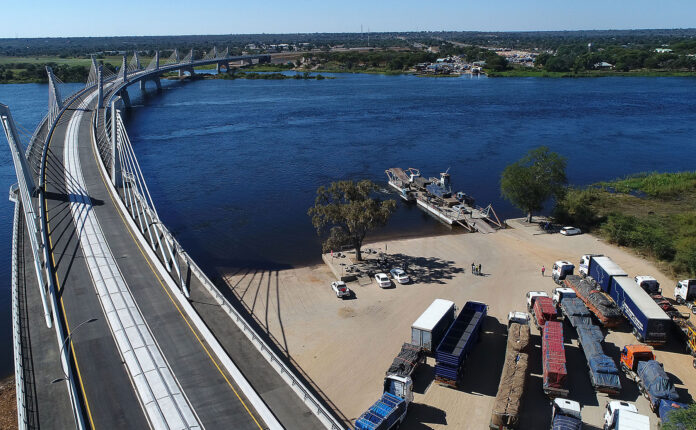
A project that two of Botswana’s neighbours have a decades-long history of sabotaging and trying to sabotage continues to revolutionise inter-continental trade and travel.
A report titled “Annual Development Effectiveness Review 2024: Investing in Africa’s Resilience and Inclusive Growth” from the African Development Bank (AfDB) says that the Kazungula Bridge Project is yielding tremendous economic and environmental benefits. Economically, the bridge has reduced border transit time from 30 to 4.3 hours, increased trade volumes from an average of 116 trucks per day to 431 and resulted in freight volumes surging from 12 800 to 50 490 tons per week, and minimised cargo damage thus helping preserve freight values. Environmentally, the bridge contributes to climate resilience by providing a more reliable, all-weather transportation system that has reduced carbon emissions from lengthy waits and inefficient ferry operations.
There's more to this story
But to keep reading, we need you to subscribe.
Investigative journalism is an indispensable part of a healthy society, but it's also expensive to produce. We are reliant on subscriptions to fund our work, and while you can enjoy most of our stories for free, a small number of premium features are reserved for subscribers.
You can subscribe for one week, a month or a full year - the choice is yours.
Save 77% on an annual subscription. Click here to find out how.
Existing subscribers can log in to keep reading here.

