

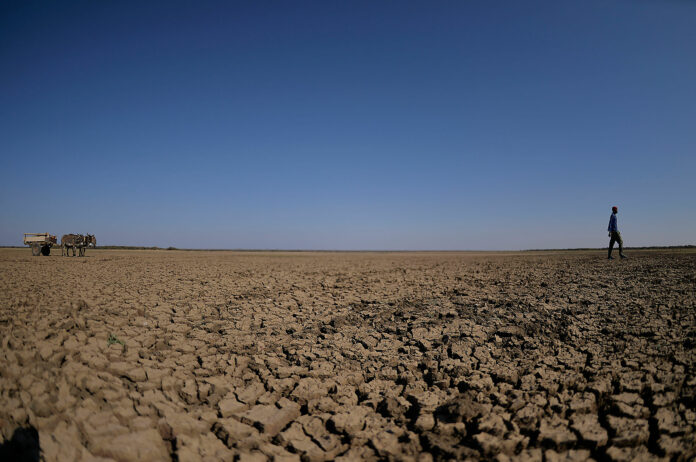
High temperatures are expected to persist across much of Botswana. The Department of Meteorological Services (DMS) recently issued a nationwide heatwave warning advising of a significant increase in temperatures across the country.
Heatwave conditions persisted over most areas from February 7 to the 9th, with temperatures of 36-40 C (97-104 F) expected. Isolated thunderstorms were experienced in eastern and northern regions from February 8th to 9th, and central, southern, and western regions on February 9th. Cloudier conditions and isolated thunderstorms also spread over most of the country from February 10, which brought a drop in temperatures in many areas. The department has advised the public to take precautionary measures due to the severe weather conditions, including drinking more water, avoiding prolonged exposure to the sun, and wearing appropriate attire. Authorities could issue new alerts or update/rescind existing advisories as weather conditions change over the coming days. The extended period of very high temperatures and dry conditions may magnify the potential for wildfires throughout the region.
Commenting on this, an organisation called Crisis24 said heatwaves pose a health threat to vulnerable groups – such as the elderly, children, pregnant women, and those with respiratory illnesses – due to the increased possibility of heat stroke or heat exhaustion during prolonged exposure to high temperatures. These risks could also extend to relatively healthy individuals during significant heatwave events. In addition to significantly impacting athletes and those who work outdoors, high temperatures can cause problems for people using mass transit. The lack of air conditioning and cramped vehicles during rush hour may lead to some passengers being hospitalized for dehydration.
Overheated vehicles could prompt traffic disruptions in urban areas where congestion is already a problem. Commercial trucking disruptions might occur, as very high temperatures put more stress on vehicles and make tire blowouts more common. Major flight disruptions are unlikely at regional airports, but general aviation disruptions are possible, and some airfreight carriers could reduce cargo loads. High temperatures could lead to an increased demand for electricity, which might trigger localized brownouts or blackouts, exacerbating hazardous conditions when air conditioning is no longer possible.

