

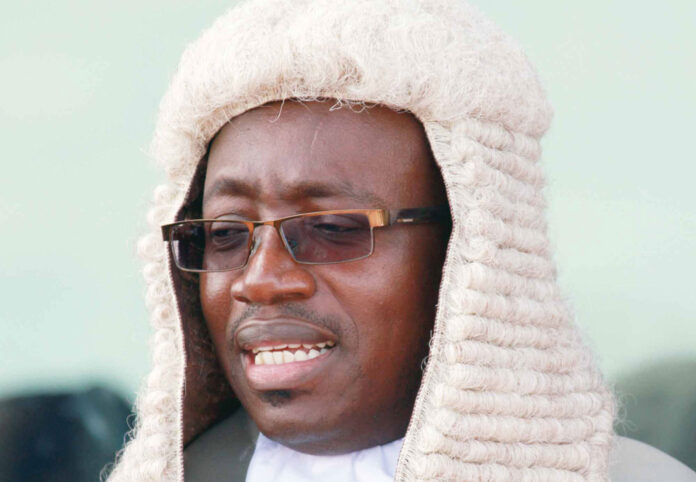
Justice Key Dingake was barely out of his nappies when his elder brother, Michael “Mike” Dingake, was sentenced to 15 years in prison for his part in the anti-Apartheid struggle.
When the Robben Island prison doors clanked behind Mike, about two thousand Kilometers away in Bobonong, a toddling Justice Dingake traded the rails of his baby cot for invisible prison bars, both brothers serving time, in different ways.
Though he never saw the inside of a prison cell, Justice Dingake, like many relatives of political prisoners, bore what is now known as “secondary prisonization” – a psychological burden shared by family members of the incarcerated.
We are huddled around a corner table, over cups of coffee inside Café Dijo, as Justice Dingake recounts stories of how his childhood was shaped by memories of a brother who paid the price for daring to dream of freedom and a father who feared history repeating itself.
There's more to this story
But to keep reading, we need you to subscribe.
Investigative journalism is an indispensable part of a healthy society, but it's also expensive to produce. We are reliant on subscriptions to fund our work, and while you can enjoy most of our stories for free, a small number of premium features are reserved for subscribers.
You can subscribe for one week, a month or a full year - the choice is yours.
Save 77% on an annual subscription. Click here to find out how.
Existing subscribers can log in to keep reading here.

