

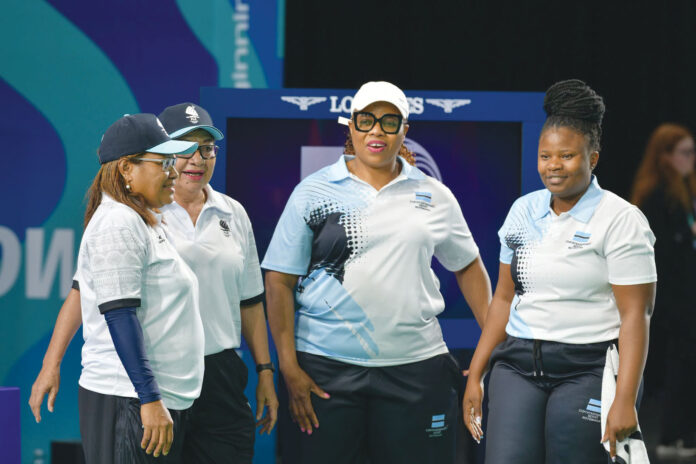
Botswana has reaffirmed its commitment to use sport as a catalyst for health, youth empowerment and inclusive development.
Addressing Commonwealth discussions on sport, Minister of Sport and Arts Jacob Kelebeng said Botswana views sport as more than competition. Rather, it is a powerful development tool capable of improving public health, creating opportunities for young people and promoting social inclusion.
He said regular participation in sport and physical activity remains one of the most effective and affordable ways of preventing such diseases while also improving mental health and overall well-being. Botswana is currently facing a growing burden of non-communicable diseases such as diabetes, hypertension, obesity and heart disease, many of which are linked to physical inactivity.
To address the challenge, Kelebeng said his ministry has prioritised community sport programmes to encourage active lifestyles across all age groups. The ministry is also working closely with the Ministry of Child Welfare and Basic Education to revive school sport and instil healthy habits from an early age.
At the same time, Botswana continues to invest in youth-focused sports development programmes. These include the Re Ba Bona Talent Identification Programme, scholarships for talented athletes and community-based sporting activities.
“Sport enables young people to discover their talents while equipping them with discipline, resilience, leadership and the values needed to become responsible and productive citizens,” he said.
Kelebeng also reaffirmed Botswana’s commitment to inclusive sport. He said the government continues to promote disability sport through organisations such as the Botswana Paralympic Committee and Special Olympics Botswana.
Beyond national programmes, Kelebeng urged Commonwealth member states to strengthen partnerships and exchange knowledge to ensure sport contributes meaningfully to shared development goals.
Speaking during another Commonwealth session, the minister said Botswana believes sport has a unique ability to connect people across borders while advancing health, education, youth empowerment and gender equality.
He commended the Commonwealth Advisory Body on Sport (CABOS) for providing strategic leadership and creating a platform for member states to share knowledge and coordinate action.
Kelebeng called for greater peer learning and technical cooperation among Commonwealth countries, saying many nations have already developed innovative approaches in safeguarding, sports governance, integrity, athlete development and the use of sport for community development.
He said creating structured opportunities for countries to exchange experiences would strengthen collective capacity and reduce duplication of efforts.
The minister also called for stronger partnerships involving governments, regional organisations, academia, the private sector and sporting bodies.
“Collaboration should not be limited to dialogue but should translate into practical programmes, capacity-building initiatives, research and resource mobilisation that deliver measurable outcomes for our citizens,” he said.
Kelebeng said Botswana remains committed to promoting good governance, inclusivity and sustainable investment in sport alongside fellow Commonwealth member states.
He said through stronger cooperation, sport can continue to unite nations, empower young people and contribute to the Commonwealth’s shared vision of prosperity, resilience and sustainable development.

