

This past week, Botswana National Anti-Doping hosted training for their long serving chaperones to upgrade and promote them to Doping Control Officers. The arrival of the newly promoted DCO’s is likely to be seen as a positive move as Botswana continues to battle against rising cases of doping. In the first four months of this month, Botswana National Olympics Committee announced it had recorded two new doping cases.
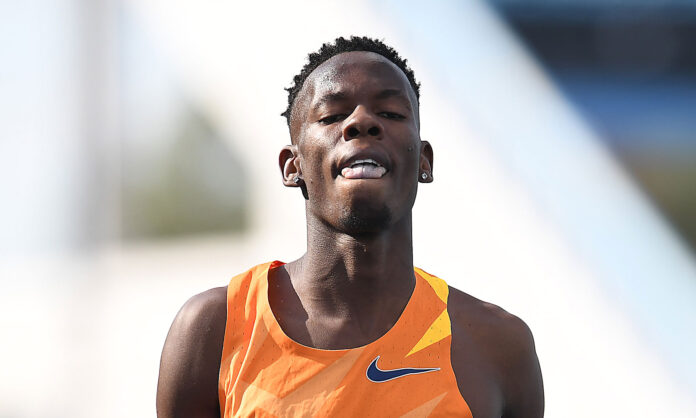
400m runners Ditiro Nzamani of Sportview Athletics Club and Pertunia Gaegopolwe of Lions Den are the latest runners to be nabbed by the Botswana Anti-Doping Organisations.
According to the BNOC, Nzamani and Gaegopolwe have tested positive for Metabolites of Stanozol and Metandienone respectively. The substances are prohibited under the 2024 WADA prohibited list and Anabolic Androgenic Steroids. Both athletes are now provisionally suspended by the BNOC while awaiting ‘processing under the Botswana Anti-Doping rules and the World Anti-Doping Code.’
Given the rising number of doping cases in the country, the new DCO’s will shoulder the responsibility of ensuring doping-free sport in Botswana. They will be at the forefront of the country’s anti-doping war and will be responsible for ‘the on-site management of a sample collection session.’
Botswana Anti-Doping officer Ntebogang Khubamang says the newly appointed officers served many years as chaperones or assistant DCO’s before their promotion. As chaperones, their role was ‘to initiate the sample collection process through notification of the athlete until they are handed over to the DCO at the doping control station where the official process takes place.’
“Our chaperone status served for over 10 years. They are now more experienced and confident with the international standards for testing. This upgrade serves as motivation and honestly, they deserve the promotion to being DCOs,” explains Khubamang.
“When recruiting officers the criteria for selection is very random, and we have not done this for a long time as the numbers we have for the team is sufficient for our scope of sport and athletes. But the main thing for a doping control officer is to be a volunteer at heart, love sport or have sport experience and most importantly being able to contain confidential information, which they have done extremely well for the past years.
“It has been 13 years of no recruitment, due to their commitment to the department, we have not had challenges in terms of personnel to carry out our missions, we are very grateful for this team, we are what we are because of their unending support and commitment. The recruitment is only done as and when there is shortage of personnel that compromises the quality of our work, which fortunately has not been the case for us,” she further says.
Addressing these recent doping cases, Khubamang says as an office, they are doing their part to ensure both sporting associations and athletes are well educated regarding doping. She says athletes need to be encouraged to be more involved and interested in knowing about anti-doping as it is their right and responsibility to be aware on such issues.
“We have seen a lot of improvement on the associations inviting the office to do educational sessions for the athletes during camps, but we also need to see more athletes showing interest in clean and fair play. We can only advocate for endless discussion and educations for both our athletes and their support personnel, that way we can curb these increasing numbers we constantly see with our athletes,” Khubamang says.

