

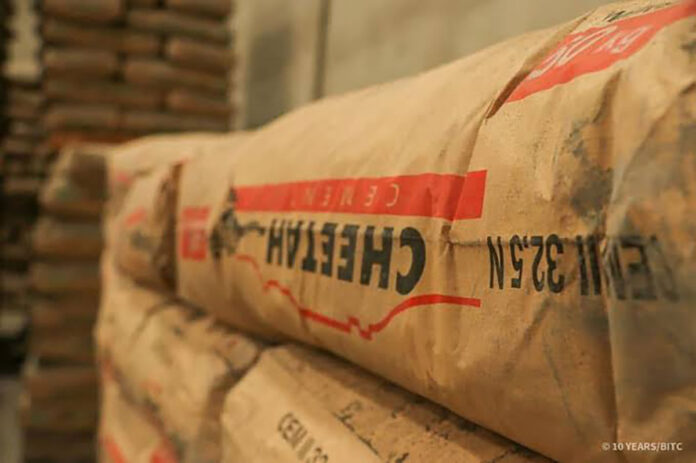
Cheetah Cement is planning to establish a new manufacturing plant in Gaborone with an annual production capacity of 800,000 tonnes, in an expansion that could boost domestic cement production and reduce reliance on imports.
The proposed investment was highlighted during a familiarisation visit to the company’s existing production facility in Matsiloje by Botswana Investment and Trade Centre (BITC) chief executive Keletsositse Olebile and his management team.
The delegation was received by Cheetah Cement’s newly appointed chief executive, Wang, who briefed them on the company’s operational performance, growth prospects and investment challenges.
Since commencing operations in 2021, the company has faced initial operational and market difficulties, although management reported improved performance in 2026.
Cheetah Cement currently employs 41 Batswana and supports community development through its corporate social responsibility programmes.
The proposed Gaborone plant would significantly expand its manufacturing footprint, while creating potential employment opportunities and increasing local supply of cement used in housing, commercial developments and infrastructure projects.
BITC said strengthening domestic value chains, including sourcing raw materials locally where feasible, remained important in developing Botswana’s manufacturing sector.
Olebile reaffirmed the agency’s commitment to helping the company address outstanding regulatory and infrastructure challenges that could affect its expansion plans.
The engagement also highlighted the importance of investment aftercare in helping established businesses resolve operational constraints and unlock further investment.
For Botswana, the proposed plant comes as government seeks to diversify the economy beyond diamonds, expand industrial capacity and create private-sector employment.
Additional domestic cement production could improve supply reliability and provide competition against imported products. However, the investment’s eventual impact will depend on implementation, production costs and the competitiveness of locally manufactured cement.
The visit concluded with a tour of the Matsiloje facility, giving the BITC delegation an opportunity to assess the company’s manufacturing operations.

